
Your Florida closing is two weeks away, and your rate lock expires in five days. The appraisal came back late. The title search hit a snag. Or the builder pushed the completion date back — again. What happens next depends entirely on which rate lock extension options your broker can access and how quickly they can move.
Rate lock extensions aren’t a product you buy off a shelf. They’re a strategy you negotiate, and the broker or Florida-licensed mortgage professional you choose determines how much flexibility you actually have. In active markets like Tampa, Orlando, and Jacksonville, closing delays are common — and the difference between a borrower who absorbs an expensive extension fee and one who finds a better alternative often comes down to wholesale lender access.
This guide covers the top mortgage rate lock extension options and strategies for Florida homebuyers and investors in 2026, ranked by flexibility, cost transparency, and relevance to purchase, DSCR, and VA loan scenarios.
Inline byline: Duane Buziak, NMLS #1110647, Coast2Coast Mortgage LLC NMLS #376205
1. Florida Mortgage Rates — Broker Access to 500+ Wholesale Lenders
Best for: Florida borrowers who want to compare rate lock extension options across multiple lenders without a hard credit inquiry.
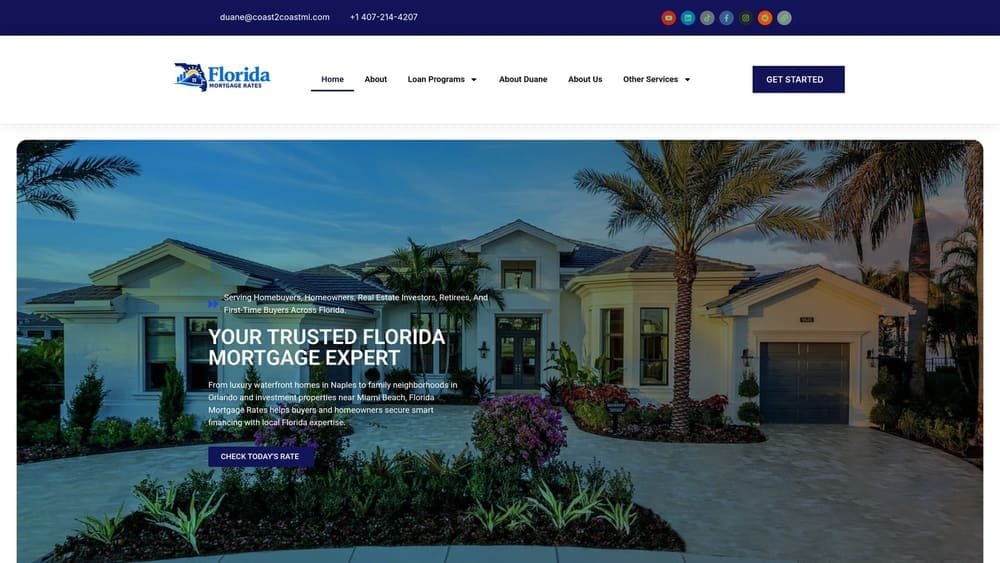
Florida Mortgage Rates is a Florida-licensed mortgage broker service operated by Duane Buziak (NMLS #1110647, Coast2Coast Mortgage LLC NMLS #376205), offering statewide access to 500+ wholesale lenders and the flexibility to shop rate lock extension terms side by side.
Where This Tool Shines
The core advantage here is breadth. When your closing is delayed and your lock is expiring, a broker shopping 500+ wholesale lenders can present multiple extension fee structures simultaneously — something a single retail bank simply cannot do. You’re not bound to one institution’s policy.
The NoTouch Credit Pull (Vantage Score 4.0) is a meaningful differentiator. Borrowers mid-transaction who are anxious about credit impact can explore lock extension terms, float-down provisions, and lender-specific policies without triggering a hard inquiry. That’s a soft pull mortgage broker approach that protects your credit profile during an already stressful period.
Key Features
NoTouch Credit Pull: Soft-pull eligibility check using Vantage Score 4.0 — no hard inquiry to explore extension options, making this a true no credit hit mortgage application starting point.
500+ Wholesale Lender Access: Competing extension fee structures from multiple lenders mean you’re never locked into one institution’s single policy or pricing tier.
Lock Period Flexibility: 30-, 45-, 60-, and 90-day lock options plus float-down provisions available through select wholesale lenders, covering most Florida closing timelines.
DSCR Investor Loans: Extended lock windows for Tampa, Miami, and Orlando rental properties, with cash-out refinance available to 90% LTV on investment properties.
VA Loan Expertise: Jacksonville and statewide military borrowers benefit from VA new construction lock options and VA-experienced wholesale lender access.
24/7 Availability and Fastest Close Times: Time-sensitive lock situations require fast response — this service is structured for urgency.
Best For
Any Florida borrower facing a closing delay — whether on a primary purchase, DSCR investment property, or VA loan — who wants to compare extension options across lenders before committing to a fee. Especially valuable for first-time buyers in Tampa and Orlando who may not know they have options beyond their current lender’s quote.
Pricing
Broker fees disclosed upfront; little to nothing out of pocket at closing on select programs. No cost to explore options via the NoTouch Credit Pull — no hard inquiry required to start the conversation.
2. VA Loan Extended Rate Lock Programs (VA-Approved Lenders)
Best for: Active-duty military, veterans, and surviving spouses purchasing new construction or facing extended closing timelines in Jacksonville and across Florida.
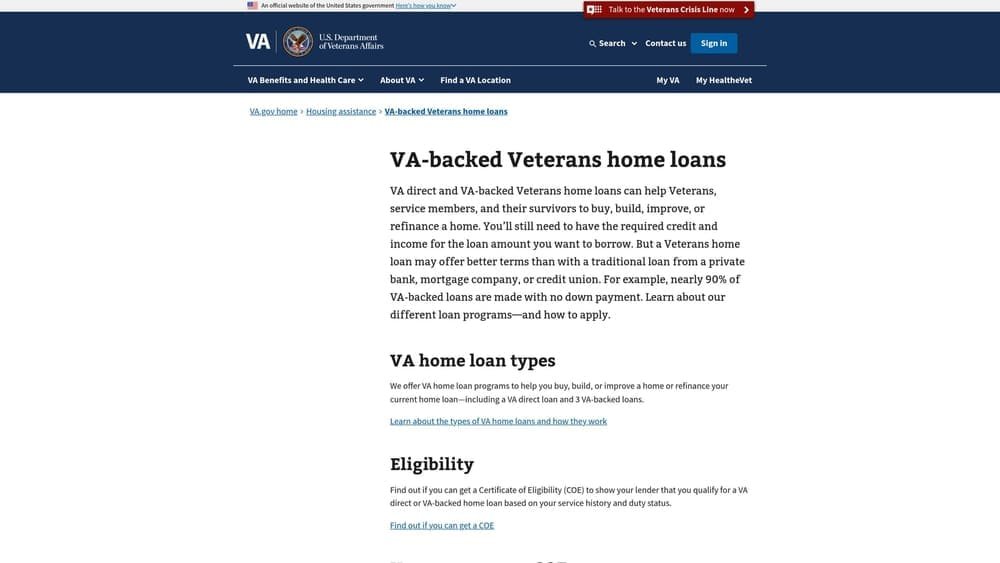
VA loan programs accommodate extended rate lock periods specifically for new construction and delayed closing scenarios, making this a critical strategy for military buyers throughout Florida.
Where This Tool Shines
Jacksonville’s military concentration — driven by Naval Station Mayport, NAS Jacksonville, and Camp Blanding — creates consistent demand for VA loans with longer lock windows. VA-approved lenders can structure extended locks up to 90-180 days for new construction scenarios, aligning with builder timelines that standard 30-45 day locks simply cannot cover.
No private mortgage insurance requirement is a meaningful advantage here. During an extended lock period, the absence of PMI preserves monthly cash flow and keeps the loan more affordable even if the borrower is carrying dual housing costs during construction.
Key Features
Extended Lock Periods: Up to 90-180 days available through select VA-approved lenders for new construction purchases — far beyond standard retail bank offerings.
Builder Timeline Flexibility: VA loan program structure allows lock periods tied to builder completion schedules rather than arbitrary calendar deadlines.
No PMI: Preserves monthly cash flow during extended lock periods when borrowers may be managing both current housing costs and future mortgage obligations.
Broad FICO Access: VA loans available down to 500 FICO through select wholesale lenders, expanding eligibility for military buyers who may have credit challenges.
Statewide Applicability: While Jacksonville is the primary concentration point, VA extended lock programs apply across all Florida markets.
Best For
Veterans and active-duty service members purchasing new construction in Jacksonville, Tampa, or any Florida market where builder timelines exceed standard lock periods. Also valuable for VA buyers facing appraisal or title delays in resale transactions.
Pricing
VA funding fee applies and varies by down payment and usage. Extension fee structure varies by lender. Accessing VA programs through a VA-experienced broker maximizes available policy options and often surfaces more competitive extension terms.
3. DSCR Loan Rate Lock Strategies (Wholesale Investor Lenders)
Best for: Florida real estate investors purchasing rental properties in Tampa, Miami, and Orlando who need lock periods aligned with longer underwriting timelines.
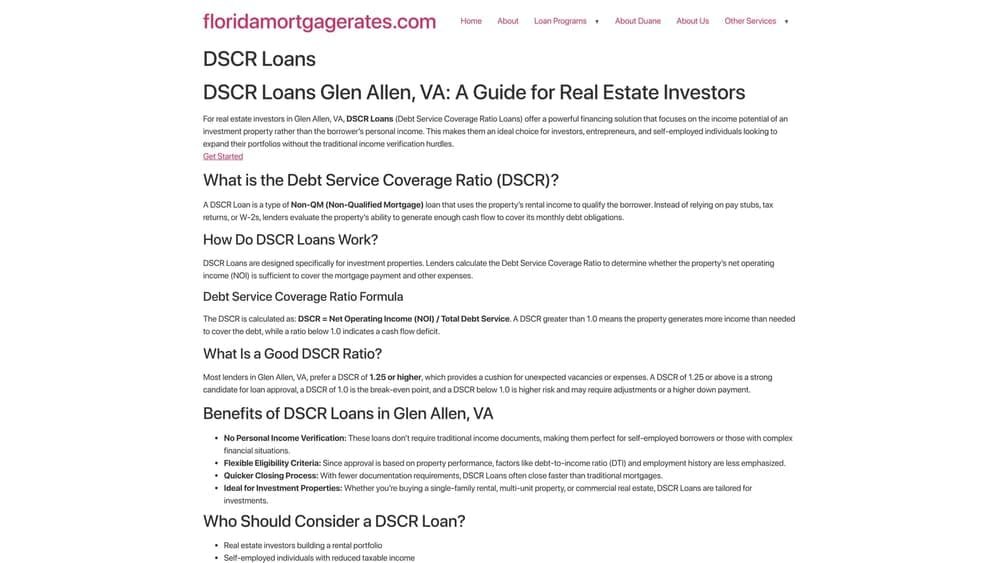
DSCR loan programs for Florida investment properties often require longer underwriting windows due to rental income analysis, making initial lock period selection and extension strategy critically important for investors.
Where This Tool Shines
DSCR loans are underwritten on property income, not personal W-2 income — which means the appraisal and rental income analysis drive the timeline. A 30-day lock on a DSCR purchase is often insufficient. Wholesale DSCR lenders typically offer 45-60 day initial lock periods, and a broker with access to multiple DSCR-specialized lenders can identify which one offers the most favorable extension policy before the loan is even submitted.
The 90% LTV cash-out refinance availability on DSCR properties is a separate but related advantage — investors who already own Florida rentals can access equity without the same lock-period pressure of a purchase transaction.
Key Features
45-60 Day Initial Lock Periods: Available through DSCR-specialized wholesale lenders, providing more runway than standard retail bank offerings for investment property closings.
No Personal Income Verification: Lock period is tied to property income analysis rather than W-2 review, simplifying the underwriting timeline for self-employed and high-net-worth investors.
Cash-Out Refinance to 90% LTV: Available on DSCR properties for Florida investors — a high-leverage refinance option with its own lock strategy considerations.
Appraisal-Aware Lock Strategy: DSCR qualification based on rental income vs. PITIA means the appraisal is a critical path item — lock strategy should account for appraisal turnaround in active Florida markets.
Short-Term and Long-Term Rental Eligibility: Available for Airbnb-style short-term rentals, long-term rentals, and mixed-use in Florida markets.
Best For
Florida real estate investors — particularly in Tampa, Miami, and Orlando — who are acquiring rental properties and need lock periods that realistically accommodate DSCR underwriting timelines. Also relevant for investors refinancing existing Florida rentals.
Pricing
DSCR rates and extension fees vary by lender. Broker access to multiple DSCR wholesale lenders allows side-by-side fee comparison. No hard inquiry required to explore options through a soft pull mortgage broker.
4. Float-Down Lock Options
Best for: Florida borrowers who want rate certainty today but don’t want to miss out if mortgage rates fall before closing.
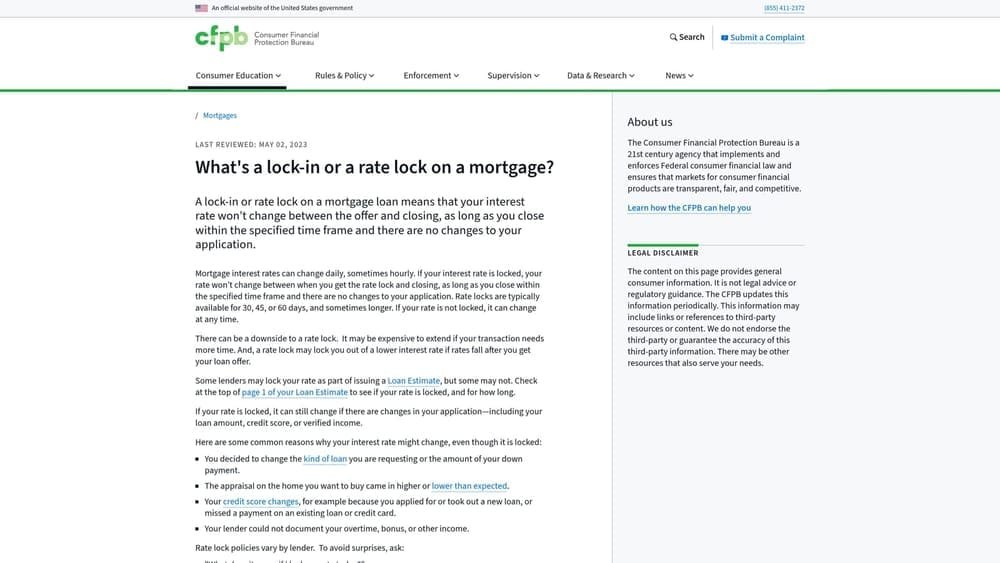
Float-down provisions, as explained by the CFPB, are negotiated features within a rate lock agreement that allow a borrower to capture a lower rate if market rates fall by a defined threshold before closing.
Where This Tool Shines
In a volatile rate environment, locking a rate feels like a gamble either way — lock too early and you might miss a rate drop; wait too long and rates could climb. A float-down provision addresses this by combining rate certainty with limited downside protection. You’re locked in against rate increases, but you retain a one-time right to exercise a lower rate if the market moves in your favor.
This is especially valuable for Florida new construction buyers with 90-180 day timelines, where rate movement over several months can be meaningful. The key constraint: float-down provisions must be negotiated upfront and cannot be added after the lock is established.
Key Features
Rate Certainty with Upside Option: Lock today, retain a one-time right to exercise a lower rate if rates fall by the lender-defined trigger threshold.
Lender-Defined Trigger: The rate drop required to exercise a float-down is set by the lender — typically a specific number of basis points — and varies across wholesale lenders.
Broad Program Availability: Available on conventional, FHA, VA, and select Non-QM loans through wholesale lenders — not limited to a single loan type.
Volatile Market Value: Most valuable in environments where rate direction is uncertain and both upside and downside scenarios are plausible over the lock period.
Must Be Negotiated Upfront: Cannot be added retroactively — the decision to include a float-down must be made at the time of initial lock.
Best For
Florida buyers with longer closing timelines — particularly new construction in Orlando, Tampa, and Sarasota — who want rate protection without completely surrendering the potential benefit of a rate decline. Also relevant for any borrower uncertain about rate direction at the time of locking.
Pricing
Float-down provisions typically cost more than a standard rate lock, expressed as an upfront basis point premium. The additional cost varies by lender and lock period length — a broker can compare float-down pricing across multiple wholesale lenders.
5. Extended Lock Programs for Florida New Construction
Best for: Florida buyers purchasing new construction in Orlando, Tampa, and Sarasota who need lock periods far beyond the standard 30-45 day window.
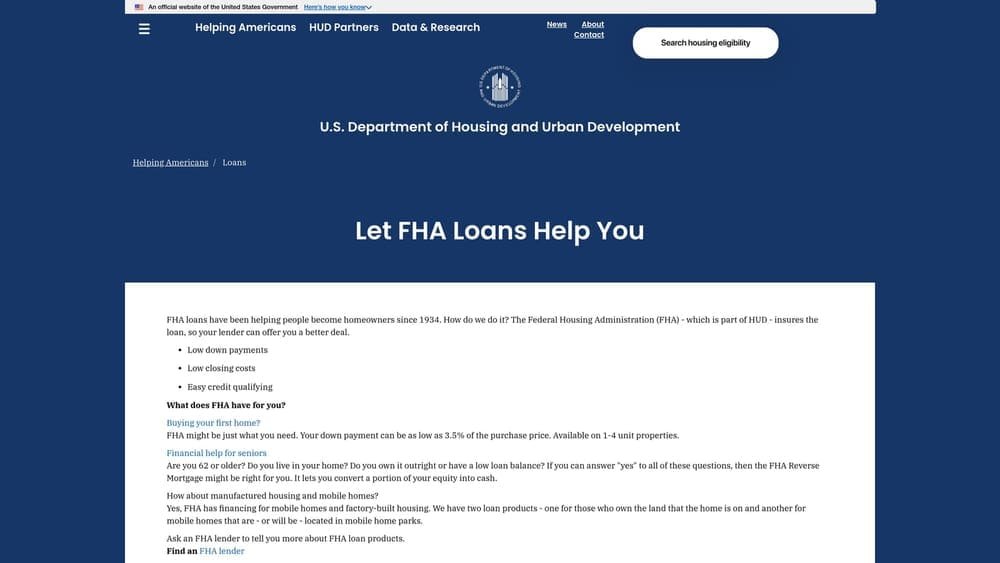
New construction loan programs through HUD-approved and conventional channels include extended lock options specifically designed for builder timelines that stretch well beyond standard closing windows.
Where This Tool Shines
Florida’s active new construction markets — particularly in the Orlando metro’s expanding suburbs, Tampa’s growth corridors, and Sarasota’s coastal communities — regularly produce build timelines of six months to a year. A standard 30-45 day lock is essentially useless in this context. Extended lock programs ranging from 90 to 360 days exist specifically to address this gap.
The upfront lock fee structure is a key planning consideration. Most extended lock programs require a fee paid at lock initiation, expressed in basis points of the loan amount. Many programs credit this fee toward closing costs at funding — but the borrower needs to plan for that upfront cost as part of the overall transaction budget.
Key Features
90-360 Day Lock Windows: Extended programs specifically designed for new construction timelines that standard rate locks cannot accommodate.
Upfront Lock Fee with Closing Credit: Fee typically required at lock initiation; many programs credit this toward closing costs at funding, reducing the net out-of-pocket impact.
Multi-Program Availability: Extended lock programs available on conventional, FHA, VA, and DSCR new construction loans — not limited to a single loan type.
Rate Increase Protection: Protects buyers from rate increases during extended builder timelines — particularly important across multi-month or multi-quarter build periods.
Float-Down Compatibility: Some extended lock programs include float-down provisions within the extended window, combining long-term protection with rate improvement flexibility.
Best For
Florida buyers purchasing new construction in any market where builder timelines exceed 60 days — which describes most active Florida construction markets in 2026. Especially critical in Orlando and Tampa where builder backlogs and permitting timelines are well-documented.
Pricing
Upfront lock fee expressed in basis points of loan amount; longer locks cost more. A broker accessing multiple wholesale lenders can compare extended lock program fees side by side before you commit to a builder contract.
6. Wholesale Lender Rate Lock Extension Policies (Broker Channel)
Best for: Florida borrowers who want to compare rate lock extension fee structures across multiple lenders rather than accepting a single institution’s policy.
The broker channel — accessing wholesale lenders operating within FHFA conforming loan limits and beyond — provides a fundamentally different rate lock extension experience than retail banking.
Where This Tool Shines
Here’s the structural reality: a retail bank borrower facing a lock expiration has exactly one option — pay that bank’s extension fee on that bank’s terms. A borrower working with a broker who accesses 500+ wholesale lenders has a menu of competing policies. Different wholesale lenders have different extension fee structures, different maximum extension periods, and different policies on who absorbs the cost when delays are lender-caused.
Florida’s county-specific conforming loan limits also matter here. Miami-Dade, Broward, and other high-cost Florida counties have different conforming limits than inland counties, which affects which wholesale lender programs apply to a given transaction — and which extension policies are available.
Key Features
Competing Extension Fee Structures: Multiple wholesale lenders with different extension pricing — a broker can present options rather than accepting a single quote.
More Flexible Extension Terms: Wholesale lenders often offer more adaptable extension policies than retail bank equivalents, particularly for Non-QM, DSCR, and jumbo scenarios.
Specialized Lender Access: Non-QM, DSCR, and jumbo lenders with lock policies tailored to their specific loan types — not one-size-fits-all retail bank terms.
Scenario-Specific Matching: A broker can identify which wholesale lender has the most favorable extension policy for a specific borrower situation — VA new construction, DSCR investor, jumbo purchase in Miami.
Florida County Conforming Limit Awareness: Broker knowledge of county-specific conforming limits ensures the right lender programs are identified for each Florida market.
Best For
Any Florida borrower who wants genuine market competition on rate lock extension terms rather than a take-it-or-leave-it policy from a single retail institution. Particularly valuable for borrowers in high-cost Florida markets like Miami where jumbo loan extension policies differ significantly from conforming loan policies.
Pricing
Extension fees vary by wholesale lender and are typically expressed in basis points per extension period. Broker access enables side-by-side comparison — you see multiple options before committing to an extension fee.
7. Rate Lock Extension Negotiation Strategy
Best for: Florida borrowers already mid-transaction who are facing a closing delay and want to reduce or eliminate extension fee costs through documented negotiation.
The CFPB’s rate lock guidance outlines borrower rights in rate lock situations — and understanding those rights is the foundation of effective extension fee negotiation.
Where This Tool Shines
Not every closing delay is the borrower’s fault. Appraisal backlogs in active Florida markets, title search complications, lender underwriting delays, or third-party processing issues can all push a closing date past the lock expiration. When the delay is caused by the lender or a lender-controlled party, there is often a legitimate basis to request that the lender absorb the extension cost rather than passing it to the borrower.
Documentation is everything here. A well-documented delay with a clear paper trail — emails, timeline records, written requests — creates the foundation for a fee waiver or reduction negotiation. This costs nothing to attempt and can save meaningful dollars on a transaction that’s already been stressful.
Key Features
Delay Documentation: Establishing a written record of the delay cause — appraisal, title, or lender-side issues — is the first and most critical step in any extension negotiation.
Lender-Caused Delay Rights: When delays originate with the lender or lender-controlled parties, the lender may be responsible for absorbing extension costs — a right many borrowers don’t know to assert.
Written Extension Requests: All extension requests should be made in writing with a clear timeline justification — verbal requests are difficult to enforce or reference later.
Fee Waiver or Reduction Negotiation: For delays outside borrower control, a formal request for fee waiver or reduction is a legitimate negotiating position, not an unusual ask.
CFPB Resource Awareness: Understanding CFPB guidance on rate lock disputes gives borrowers a credible reference point in lender negotiations.
Best For
Borrowers already in an active transaction who are facing an unexpected closing delay and want to explore whether extension fees can be reduced or eliminated before accepting the standard fee quote. Works in conjunction with broker access — a broker can advocate on a borrower’s behalf in ways a solo borrower cannot.
Pricing
The negotiation strategy itself costs nothing. Extension fee outcome depends on the documented cause of delay, the lender’s policy, and the strength of the borrower’s case — but the attempt is always free.
8. Relocking at Market Rate — The Reset Strategy
Best for: Florida borrowers whose lock has expired or where accumulated extension costs exceed the financial benefit of preserving the original rate.
Current Florida mortgage rates are the benchmark for any relock decision — and sometimes resetting to today’s market rate is the smarter financial move than continuing to pay extension fees on a rate that may no longer be advantageous.
Where This Tool Shines
The relock strategy forces a break-even analysis that many borrowers skip. Here’s how to think about it: if your extension fee equals X basis points of your loan amount, and the rate difference between your locked rate and today’s market rate translates to a monthly payment difference of Y dollars, you can calculate exactly how many months of payments it takes to break even on the extension fee. If that break-even period is longer than you plan to hold the loan, relocking at market rate may be the better outcome.
A mortgage pre approval without hard pull allows rate shopping during the relock process without adding another hard inquiry to your credit file — important for borrowers who may have already had their credit pulled during the original application.
Key Features
Break-Even Analysis: Compare total extension cost against the monthly payment difference from relocking at current market rate — this calculation drives the decision.
Clock Reset: Relocking establishes a new 30-, 45-, or 60-day lock period from the current market rate, giving the transaction fresh runway to close.
Rate Decline Opportunity: If rates have fallen since the original lock, relocking may produce a better rate than extending the original lock — a scenario worth analyzing before automatically paying an extension fee.
No Hard Inquiry Rate Shopping: A no hard inquiry mortgage pre approval approach allows competitive relock rate shopping across multiple lenders without credit impact.
Broker Pivot Option: A Florida-licensed broker can renegotiate with the existing wholesale lender or pivot to a competing lender entirely — giving borrowers genuine flexibility in the relock decision.
Best For
Borrowers whose original lock has expired or is approaching expiration with multiple extension fees already paid, and those in situations where market rates have moved favorably since the original lock date. Also relevant for any borrower who wants to use a closing delay as an opportunity to reassess their lender relationship entirely.
Pricing
Relocking is typically free — a new lock at the current market rate carries no extension fee. The rate itself may be higher or lower than the original lock. Broker access to 500+ wholesale lenders enables competitive relocking across the market rather than accepting a single institution’s current rate.
Worked Example: Tampa DSCR Break-Even Analysis
To illustrate how the extension vs. relock decision works in practice, consider this illustrative Tampa DSCR scenario:
Property: Tampa rental property, purchase price $425,000. 25% down ($106,250). Loan amount: $318,750.
Original Lock: 7.25% rate, 45-day lock. Monthly principal and interest: approximately $2,175. DSCR ratio: 1.18 (property rent covers PITIA with a comfortable margin).
Scenario: Closing delayed 15 days due to appraisal turnaround. Extension fee quoted at 0.25% of loan amount (25 basis points) = approximately $797.
Alternative: Relock at current market rate of 7.40%. New monthly P&I: approximately $2,207. Monthly payment increase: $32.
Break-Even: $797 extension fee divided by $32 monthly increase = approximately 25 months. If the investor plans to hold the property for more than 25 months (very likely on a rental property), paying the extension fee preserves the better rate and is the financially superior choice.
If rates had fallen to 7.10%: Relocking at 7.10% would produce a monthly P&I of approximately $2,143 — saving $32 per month versus the original lock. In this scenario, relocking is better than extending, and the extension fee would be money wasted.
This is exactly the analysis a Florida-licensed broker can run across multiple wholesale lenders in real time — giving investors a data-driven decision rather than a guess.
Broker vs. Retail Bank: Rate Lock Extension Comparison
The table below illustrates the structural differences between accessing rate lock extension options through a broker with wholesale lender access versus a typical Florida retail bank.
Feature | Broker (500+ Wholesale Lenders) | Typical Florida Retail Bank
Lock period options | 30 / 45 / 60 / 90 days | Usually 30 or 45 days
Extension fee flexibility | Multiple lenders, competing fees | Single institution’s policy
Float-down availability | Available through select wholesale lenders | Limited or unavailable
DSCR loan availability | Yes, multiple DSCR-specialized lenders | Rarely offered
VA loan availability | Yes, VA-experienced wholesale lenders | Varies; often limited
Lender shopping ability | Yes, 500+ wholesale lenders | No — one institution only
Credit pull type | Soft pull (NoTouch, Vantage Score 4.0) | Hard pull typically required
New construction extended lock | 90-360 day programs available | Limited; varies by institution
Frequently Asked Questions: Rate Lock Extensions in Florida
How much does a mortgage rate lock extension cost in Florida? Extension fees are typically expressed in basis points of the loan amount per extension period. The exact cost varies by lender, lock period length, and market conditions — which is why broker access to multiple wholesale lenders allows meaningful fee comparison rather than accepting a single quote.
Who pays for a rate lock extension — buyer or seller? Typically the borrower pays extension fees. However, when the delay is caused by the lender or a lender-controlled party, the lender may be responsible for absorbing the extension cost. Documenting the cause of delay in writing is essential to making this case.
Can I get a rate lock extension on a VA loan in Florida? Yes. VA-approved lenders can offer extended lock periods, particularly for new construction scenarios. Locks of 90-180 days are available through select VA-approved wholesale lenders. Jacksonville and other Florida military markets frequently use these extended VA lock programs for new construction purchases.
How long can you extend a mortgage rate lock? Standard extensions typically add 7-15 days per extension period. Extended lock programs for new construction can run 90-360 days from initial lock. The maximum extension period depends on the lender — another reason broker access to multiple wholesale lenders matters when facing a longer-than-expected closing timeline.
What happens if my rate lock expires before closing in Florida? If your lock expires before closing, you face two options: pay an extension fee to extend the existing lock, or relock at the current market rate. Which is better depends on a break-even analysis comparing the extension fee cost against the monthly payment difference at the new rate. A Florida-licensed broker can run this analysis across multiple lenders in real time.
Does checking rate lock extension options hurt my credit score? Not if you work with a broker using a soft credit pull approach. The NoTouch Credit Pull (Vantage Score 4.0) at FloridaMortgageRates.com allows borrowers to explore extension options, lender policies, and eligibility without a hard inquiry — a no credit hit mortgage application starting point that protects your credit profile during an already stressful closing delay.
Can DSCR investors get extended rate locks on investment properties? Yes. DSCR-specialized wholesale lenders typically offer 45-60 day initial lock periods, and some offer extended lock programs for new construction investment properties. Because DSCR underwriting is tied to property income analysis and appraisal timelines, selecting the right initial lock period — and understanding extension options upfront — is a critical part of the DSCR loan strategy for Florida investors.
Is it better to extend my rate lock or relock at the current market rate? It depends on the math. Compare the total extension fee cost against the monthly payment difference between your locked rate and today’s market rate. Divide the extension fee by the monthly payment difference to find your break-even month. If you plan to hold the loan longer than that break-even period, extending is typically the better financial choice. If rates have fallen since your original lock, relocking may actually produce a better outcome than extending.
Which Rate Lock Strategy Is Right for You
The single most important decision in managing a Florida rate lock is choosing a broker who can shop extension terms across hundreds of wholesale lenders rather than being bound to one institution’s policy. That structural advantage applies whether you’re a first-time buyer in Tampa, a DSCR investor in Miami, or a veteran purchasing new construction in Jacksonville.
For DSCR investors, broker access to wholesale lenders with 45-60 day initial lock windows and float-down provisions is the starting point. For VA borrowers in Jacksonville and other military markets, ask specifically about VA new construction extended lock programs up to 180 days. First-time buyers in Tampa and Orlando should understand that a Florida-licensed broker shopping 500+ wholesale lenders will typically surface better extension terms than a single retail bank. New construction buyers face the longest rate exposure and need upfront extended lock programs from day one — not standard 30-day locks that will require multiple expensive extensions.
Florida Mortgage Rates uses a NoTouch Credit Pull — no hard inquiry, no credit impact — to explore your lock options before you commit. Your dream home in Florida is closer than you think. Get your credit-safe consultation today and discover the loan options that fit your life, backed by trusted guidance every step of the way.